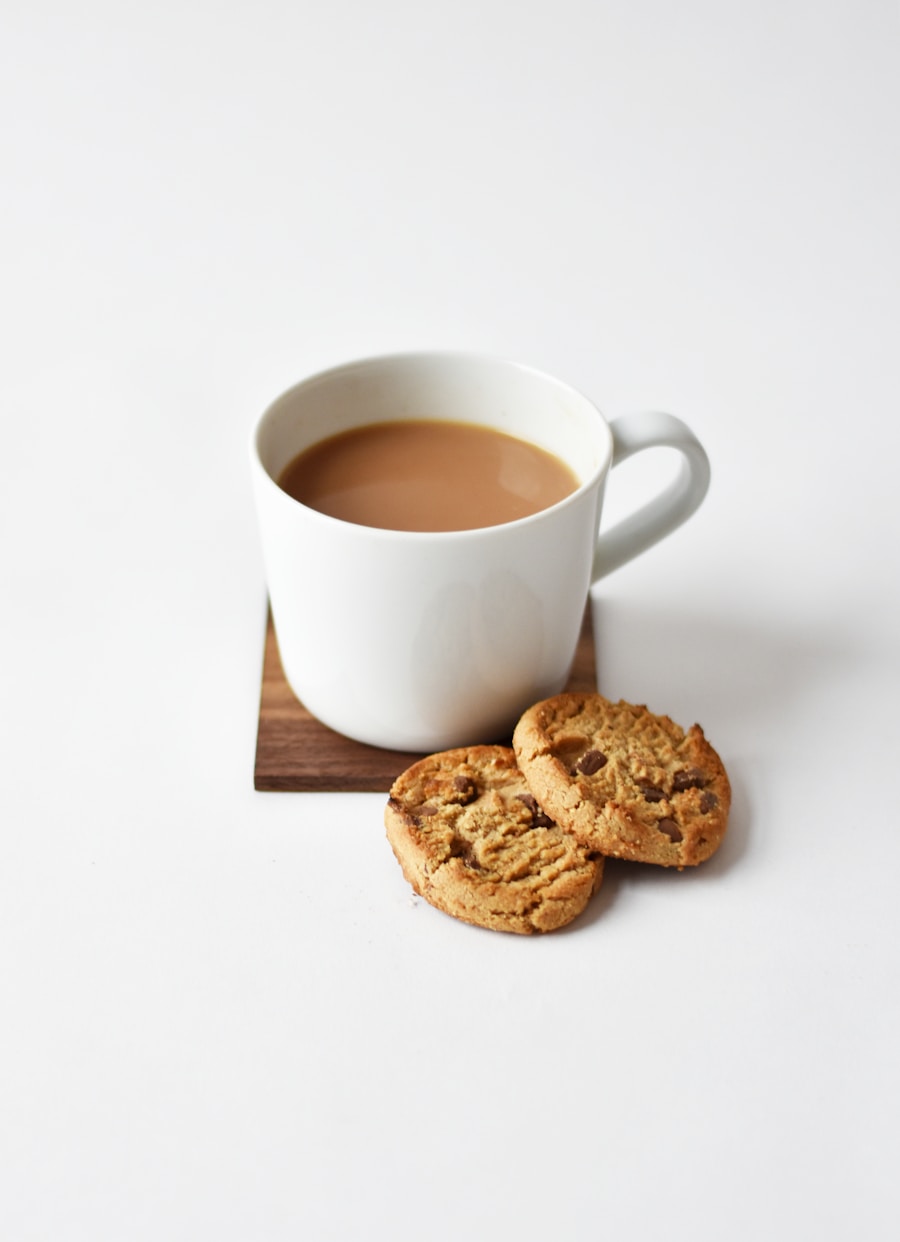
Kadak. The word arrives before the cup does. In a Rajasthani kitchen it means something specific: a tea that coats the back of the throat, that holds its flavour through the milk, that tastes like the same cup your grandmother made. It is not bitterness. It is not astringency. Kadak is controlled intensity — and it requires getting four things right simultaneously.
The leaf matters first
A kadak cup begins with the grade. Broken Pekoe (BP) grade is the standard choice across northern and western India for one reason: it infuses faster and more completely than long-leaf grades. The particles are small enough to release their soluble compounds quickly, but large enough that the liquor stays clean rather than muddy. Fannings and dust grades brew fast but produce a thin, sharp cup. Long-leaf grades — including our Darjeeling Gold line — brew slowly, never reaching the body a kadak demands.
If you want kadak, start with a BP grade and do not apologise for it.
The ratio
Most households brew at 1 teaspoon (2–2.5g) per 150ml of liquid. For kadak, increase to 3g per 150ml. That is your starting point. The exact figure will shift based on how old the tea is (older tea loses volatiles and needs more leaf) and how hard your water is (harder water extracts less efficiently).
Use a measuring spoon the first few times. Eyeballing teaches you nothing except how your eyeball errs.
Boiling, not simmering
Cold water in, bring to a rolling boil, add leaf. Do not add leaf to warm water — you will extract the wrong compounds. A rolling boil is around 95°C at sea level; at Sirohi’s elevation (roughly 400 metres) water boils at approximately 98°C, which is close enough.
Add leaf to the boiling water. Stir once. Reduce to a simmer immediately.
The milk timing argument
There are two schools. The first adds milk before the brew is complete, arguing it protects the leaf from over-extracting. The second adds milk after straining, arguing it preserves the volatile aromatics longer. Both are correct — for different tea grades.
For BP grades, add milk during the last 90 seconds of a 3-minute brew. The fat in the milk binds some tannins and softens the harshness that comes from over-extraction. For long-leaf Darjeeling, add milk after — the leaf is too delicate to need the protection.
Time
Three minutes from the point the leaf hits boiling water to the point you strain. That is the kadak standard. Two minutes and the liquor is thin. Four minutes and bitterness takes over. Set a timer until it is muscle memory.
The Aburaj grades for kadak
Our Premium Leaf and Devnagari Leaf grades are calibrated for this profile — body through milk, clean finish, no dusty aftertaste. Both have been blended to hold their flavour at a 60:40 water-to-milk ratio without going bitter at the three-minute mark. If your daily chai tastes different batch to batch, the issue is probably consistency in leaf weight, not the tea itself.
Buy a small kitchen scale. Measure twice. Then stop measuring once you know the feel.