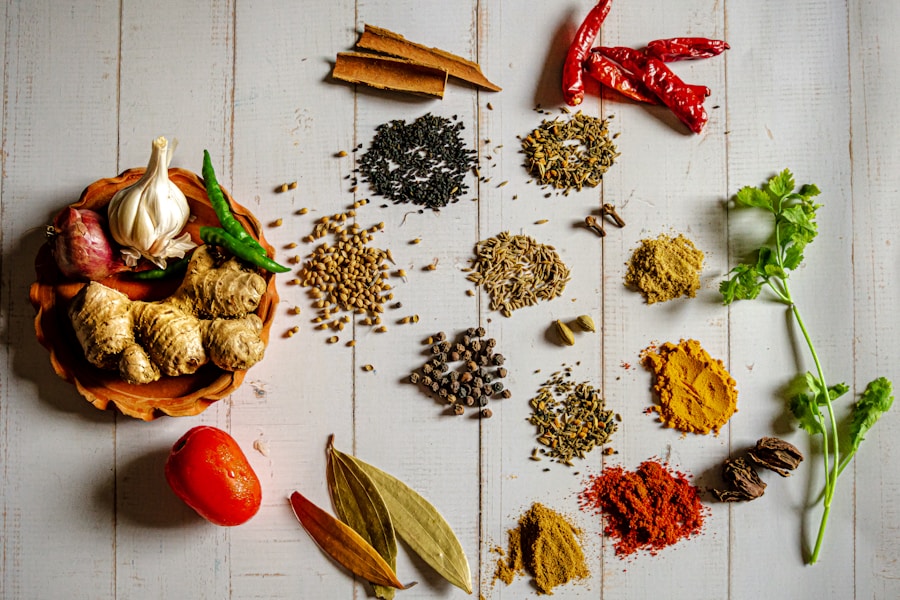
Every region in India claims its masala chai is the real one. The Parsi dhaba version in south Mumbai, with its hint of pepper and double-boiled milk, is not the same as the saffron-inflected version served at Rajput households in the old cities. Rajasthan’s masala chai tradition is distinct enough to deserve its own account. We make it here, in Sirohi, and this is what it looks like.
The spice hierarchy in Rajasthan
In Mumbai masala chai, ginger dominates — fresh, sharp, immediate. In the south, cardamom leads. In Rajasthan, the ratio is more complex and varies by district, but there are consistent patterns across the desert belt.
Cardamom (elaichi) is always present and always whole or lightly crushed, not powdered. Powdered cardamom loses its volatile oils within days of grinding; whole pods crushed minutes before brewing give you the fresh floral note that defines the drink.
Dry ginger (saunth) is used alongside or instead of fresh ginger in many Rajasthani homes, particularly in the interior districts. Saunth has a warmer, more complex profile than fresh ginger — less sharp, more woody and medicinal. It also has ayurvedic associations: saunth is considered better for digestion in the traditional Rajasthani view.
Black pepper appears in the Sirohi–Abu Road corridor at concentrations you will not find in Bengal or Maharashtra. One or two whole peppercorns, cracked slightly, added to the brew. The heat is background, not foreground — it warms the throat after the cup is finished.
Cloves appear in winter blends, less so in summer. One clove per cup is the Rajasthani maximum. More is a spice tea, not a chai.
What Rajasthan does with milk
Buffalo milk is the default in rural Rajasthan, not cow’s milk. The fat content of buffalo milk is typically 7–8% versus 3.5–4% for cow’s milk. This produces a thicker, richer chai that does not need sugar to feel substantial. It also means the spice character has a fat-based carrier — the aromatic compounds in cardamom and ginger are fat-soluble, and the high-fat milk extracts and distributes them better than low-fat milk.
Urban Rajasthani households increasingly use toned or standardised milk, and the chai adjusts: more spice to compensate for the thinner carrier.
The sweetness question
Rajasthan uses khaand — raw cane sugar, sometimes minimally processed — rather than refined white sugar in traditional households. Khaand has a mild molasses note that changes the character of the chai, adding depth that white sugar does not. In Sirohi’s market, you can still find small bundles of khaand at kirana stores. The Rajput household tradition, particularly in the older families, uses even less sugar than the common assumption — a strong, less-sweet chai is considered more sophisticated.
The leaf it requires
Masala chai is not kind to delicate tea. The spices overwhelm anything subtle. What you need is a BP grade Assam or Assam-dominant blend with enough body to push through the milk and spice without disappearing. This is one reason our Devnagari Leaf grades were specifically developed: they are blended for exactly this application. The cup holds at a 50:50 water-to-milk ratio with three or four whole cardamom pods and remains present.
The Sirohi kitchen recipe
3g BP leaf per 150ml water. Bring to boil. Add two cracked cardamom pods, a quarter-inch piece of cracked dry ginger (or three thin slices of fresh ginger), one crack of black pepper. Simmer two minutes. Add 100ml buffalo milk or full-fat toned milk. Return to a simmer. Strain. Add khaand to taste — start with less than you think you need.
It will be different from what you are accustomed to. Give it three mornings.