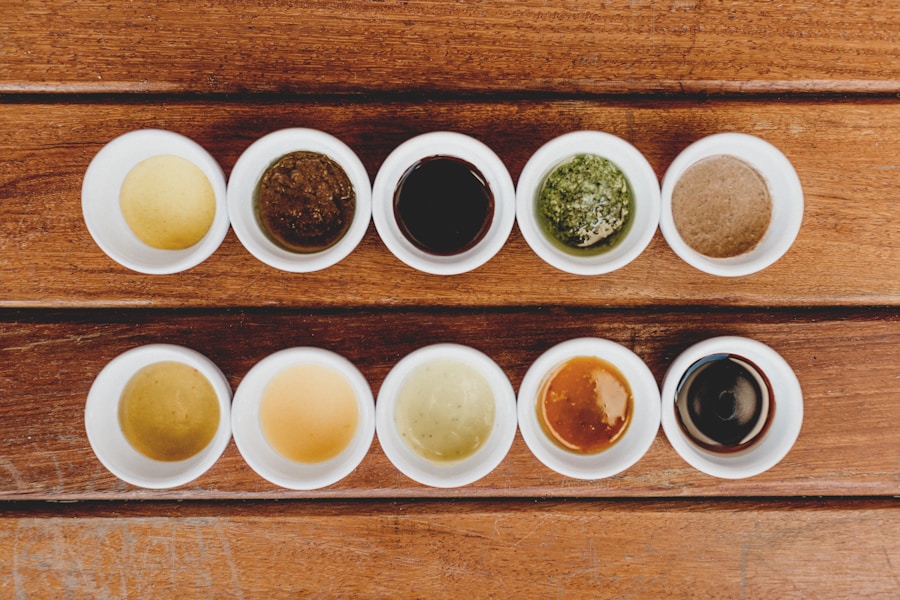
Professional tea tasters call the brewed infusion “the liquor.” The word is precise: it refers to the liquid separated from the leaf after steeping, assessed for colour, clarity, brightness, and aroma before any taste evaluation begins. Liquor reading is the first step in professional cupping, and it is learnable by anyone who brews tea regularly. You already have most of the information. You just need to know what you are looking at.
Colour: what the spectrum means
Tea liquor ranges from pale yellow-green to deep mahogany, depending on origin, grade, and processing. For Indian CTC tea specifically:
Pale yellow to straw — underextracted, or a low-quality lot with insufficient soluble compounds. Either the leaf is exhausted or the brew time was too short. Acceptable in first-flush Darjeeling; a quality problem in Assam CTC.
Golden amber — typical of a first-flush Darjeeling or a light Assam brew. Fresh, aromatic, light-bodied. Excellent for drinking without milk; will disappear if you add substantial milk.
Copper-amber — the target for a good Assam BP or Assam-dominant blend. This is the colour of a well-extracted, good-quality lot at 3–4 minutes. Deep body, good tannin structure, holds through milk.
Deep red-brown — either a very strong extraction or a dust-grade tea. Can be excellent; can also indicate over-extraction producing bitterness rather than body. The distinction is in the taste.
Dark with grey tones or cloudiness — a quality problem. Grey tones in the liquor often indicate bacterial contamination in the leaf or improper fermentation during processing. A good lot brews bright, not cloudy.
Brightness vs dullness
Brightness is an underappreciated quality signal. A good liquor catches the light — it has a sheen, a translucency, even at deep colours. Dull or matte liquors usually indicate old leaf, poor storage, or poor-quality raw material.
The simplest test: brew in a white ceramic cup and hold it to indirect natural light. If the liquor glows slightly, the tea is alive. If it looks flat even in good light, something is wrong with the leaf.
The cream test
When a well-brewed cup cools, it often develops “cream” — a milky, slightly opalescent surface film that appears as the temperature drops below 60°C. This cream is caused by the precipitation of caffeine-tannin complexes as they cool. Heavy, fast-forming cream indicates high tannin and caffeine content — a sign of a high-quality, energetic leaf. A liquor that does not cream at all is usually from a low-quality or exhausted lot.
This is why tea that “tasted great hot” can look odd in a glass as it cools — the cream is forming. It is not a defect. It is a quality indicator.
How we use liquor reading at Aburaj
When a sample tin arrives from an Assam or Darjeeling grower, the master blender brews it at a standardised ratio — 2.5g per 150ml, 95°C, four minutes, no milk — and evaluates the liquor before tasting. The colour tells the first story: is the lot producing what the grade should produce? Is the brightness there? Is the cream present?
A lot that fails the liquor test does not go to taste. This sounds extreme but it saves time: a dull, grey-toned liquor from what should be a premium BP lot tells you immediately that either the processing was wrong or the storage was poor. No amount of tasting will fix what the eye can already see.
For the home brewer
Brew in a white mug when you can. Look at the liquor before you add milk. Over time, you develop a reference: this is what your tea looks like when it is right. When a batch looks different — paler, duller, more turbid — you have an early warning that something changed, either in the tea or in your process.
This is not connoisseurship. It is just paying attention.