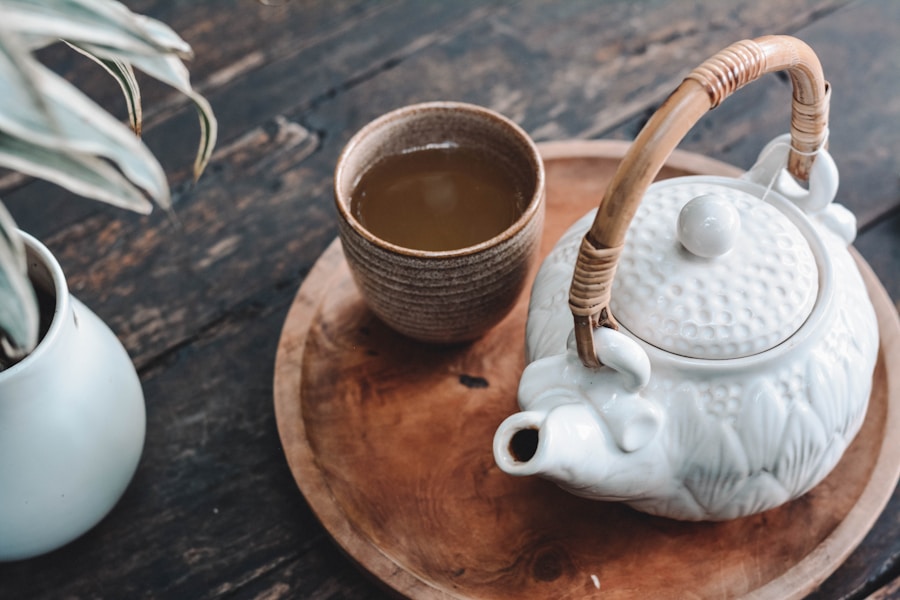
Tea is not perishable in the way milk is. An old tea will not make you sick. But it will make you a worse cup — flat, papery, lacking the character that made you buy it in the first place. CTC tea, which makes up the majority of household consumption in India, oxidises slowly after roasting and pressing. The enemies are predictable and avoidable.
The four enemies of tea freshness
Light accelerates oxidation. Ultraviolet radiation breaks down the chlorophyll and volatile aromatic compounds in tea leaf the same way it bleaches coloured fabric. Tea stored in a clear glass jar on a sunlit counter will stale twice as fast as tea in an opaque container in a cupboard. Always store in an opaque tin, a dark glass jar, or the sealed foil pouch it came in.
Moisture is the most dangerous enemy. Tea is hygroscopic — it absorbs water vapour from the surrounding air. Once moisture content rises above 6–7%, microbial activity increases and the tea loses flavour rapidly. In humid climates (coastal India in monsoon season, for example), an opened pouch left unsealed can reach dangerous moisture levels within days.
Air carries both moisture and oxidising compounds. Even dry air contains oxygen that degrades tea over time. This is why nitrogen-flushed sealed pouches are worth the extra cost: they remove the oxygen from the headspace before sealing. Once you open a pouch, transfer what you need to a clean, airtight tin immediately.
Heat speeds every chemical reaction, including the ones that make tea stale. Do not store tea near the stove, above the refrigerator (where the compressor exhaust heats the space), or next to any electrical appliance that generates warmth.
What good storage looks like
An opaque tin with a tight-fitting lid — not an air-tight mechanical seal, which can cause condensation issues, but a snug friction fit — kept in a cool, dark cupboard away from the kitchen heat zone. Avoid the refrigerator unless your tea is vacuum-sealed; the fridge introduces moisture risk every time you open the door.
Some households store tea in the freezer for long-term preservation. This works only if the pouch is perfectly sealed. The freeze-thaw cycle is more damaging than simple room temperature storage if the seal is imperfect.
Shelf life: honest numbers
- Unopened nitrogen-flushed pouch: 18–24 months from the packing date, if stored correctly
- Opened pouch in an airtight tin: 4–6 months in a cool, dry cupboard
- Opened pouch in a loose container, kitchen shelf: 4–8 weeks before noticeable flavour loss
- Opened pouch stored near heat or in high humidity: 2–3 weeks
The packing date printed on an Aburaj pouch is the date the tea was sealed at our RIICO Sheoganj facility, not an arrival or manufacture date. The 18-month shelf life applies from that printed date.
Signs your tea has gone stale
The clearest sign is the dry sniff test. Open the tin and smell before brewing. Fresh CTC tea smells malty, slightly earthy, sometimes woody. Stale tea smells flat — the top notes have evaporated. If the aroma is thin or paper-like, the cup will be correspondingly flat. You will not taste anything dangerous; you will simply taste less.
A second sign is colour: fresh CTC tea is dark, glossy, and uniform. Tea that has been exposed to moisture looks duller, slightly clumped, or shows pale spots where surface oxidation has progressed unevenly.
The practical rule
Buy in quantities you will consume in two months. In Indian households this typically means 250g for a single person, 500g for a two-person household. Resist the temptation to buy the 1kg bulk if you will not finish it before quality loss sets in. Freshness is not a marketing concept — it is the difference between the cup you paid for and the cup you made.